Your team

The team behind these melasma guides

The Plastic Surgery & Aesthetics Medical Center at Chongqing West District Hospital is led by four consultants working inside a tertiary general hospital. Yongbo Jia, MD, head of dermatology, is responsible for the medical review of this site, because melasma is a chronic medical condition rather than a cosmetic blemish: it needs a diagnosis, a search for what is driving it, and a plan measured in years. Ke He, MD, carries out the light-based and peel work that some patients need, and Tongchun Mao, MD, and Shaoliang Wang, MD, provide the assessment and second opinions that settle the cases where the diagnosis itself is in question.

Specialist profiles

Who reviews this content

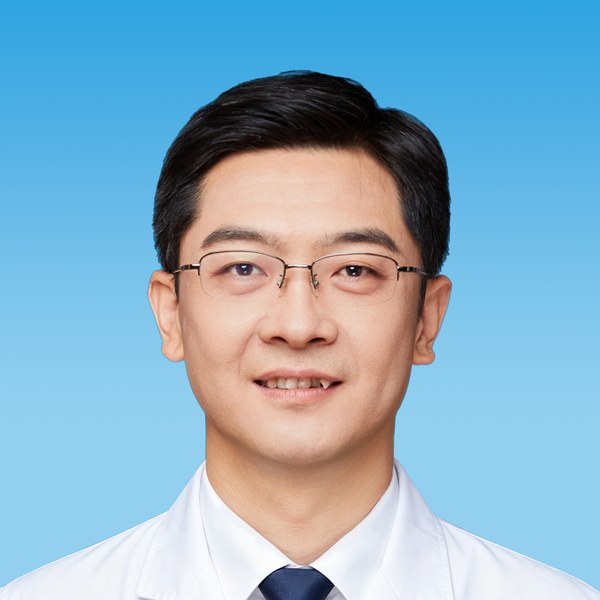
Yongbo Jia

Yongbo Jia (贾勇波)

Deputy Director & Head of Dermatology · Vice Chief Physician, Licensed Aesthetic Attending · Lead Physician of This Site

Dermatology · chronic pigment · melasma over years

Dr. Yongbo Jia is Deputy Director of the Plastic Surgery & Aesthetics Medical Center and head of its dermatology service at Chongqing West District Hospital, and he is the physician responsible for this site. A vice chief physician and licensed aesthetic attending, he graduated from Chengdu University of Traditional Chinese Medicine and trained in dermatology at the Institute of Dermatology, Chinese Academy of Medical Sciences, and at Chongqing Hospital of Traditional Chinese Medicine.

Melasma is the condition he spends the most time explaining, because the explanation changes what people do. It is not an infection to be cleared or a blemish to be removed; it is a chronic pigment response that lightens with treatment and darkens again with exposure, hormones and heat. He plans it as a long-term arrangement rather than a course, and he will say at the first visit that the aim is a lighter, more even face rather than a cure.

Clinical focus

  • Diagnosis of melasma and the separation of it from other facial pigmentation
  • Identifying what is driving it in a particular life: light, heat, hormones, medicines
  • Medical treatment, including topical agents and oral treatment as a substance class
  • Deciding when light-based treatment is worth the risk, and when it is not
  • Maintenance planning: the part of melasma care that decides the long-term result

Academic roles & achievements

  • Member, Jiusan Society
  • Member, Chongqing Integrative Medicine Skin & Beauty Committee
  • Advanced training at the Institute of Dermatology (Chinese Academy of Medical Sciences) and Chongqing Hospital of Traditional Chinese Medicine

The light you cannot see matters

Patients protect themselves from sunshine and still darken, because window glass blocks one part of sunlight and passes another. Visible light and heat are part of what drives melasma, which is why tinted protection, a hat and a shady route to work are part of treatment rather than extras.
Ke He

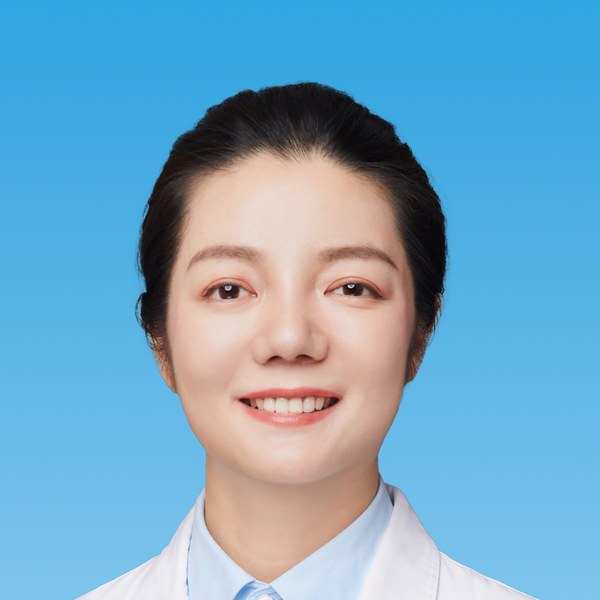
Ke He (何锞)

Deputy Director & Head of Skin & Laser Aesthetics · Attending Physician, Licensed Aesthetic Attending

Skin & laser aesthetics · cautious pigment work

Dr. Ke He is Deputy Director of the Plastic Surgery & Aesthetics Medical Center and head of its skin and laser aesthetic service at Chongqing West District Hospital. A core specialist formerly at the Plastic and Aesthetic Surgery Department of Xinqiao Hospital, affiliated with Army Medical University, she has worked on the clinical front line in skin laser and injectable aesthetics for more than 20 years.

Her part of this site is the procedural one, and on melasma it is the cautious part. Light-based treatment can lift pigment, and on melasma it can also inflame the skin and bring the patches back darker than before. She decides which faces are worth treating with light at all, at what interval, and with what preparation, and she is the person who says no to a laser plan that is being sold as a cure.

Clinical focus

  • Light-based treatment of pigmentation, planned around the risk of rebound darkening
  • Chemical peels at strengths chosen for pigment rather than for speed
  • Treatment of pigment that persists after inflammation, including post-acne marks
  • Preparation and aftercare: what the skin needs before and after a session
  • Full-cycle skin management: barrier repair and laser-based rejuvenation

Academic roles & achievements

  • Member, Laser Medicine Group, Chinese Medical Association Plastic Surgery Branch
  • Member, Facial Rejuvenation Group, Chinese Medical Association Plastic Surgery Branch
  • Member, Chongqing Plastic Surgery Quality Control Center
  • Published 5 papers, holds 5 national patents, and introduced 2 new clinical techniques
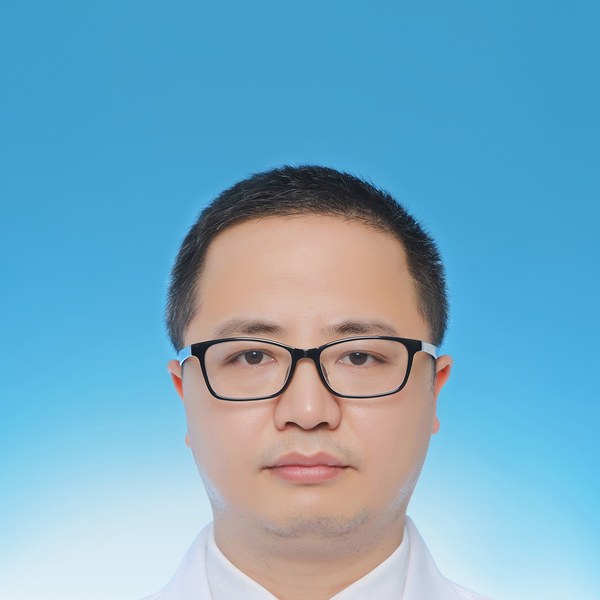
Tongchun Mao

Tongchun Mao (毛彤春)

Deputy Director & Head of Aesthetic Surgery · Vice Chief Physician, Licensed Aesthetic Attending

Aesthetic surgery · diagnosing what is not melasma

Dr. Tongchun Mao is Deputy Director of the Plastic Surgery & Aesthetics Medical Center and head of its aesthetic surgery service at Chongqing West District Hospital. A core specialist formerly at the Plastic and Aesthetic Surgery Department of Xinqiao Hospital, affiliated with Army Medical University, he has rooted his clinical practice for more than 20 years and personally performs over 700 operations a year.

Melasma is not an operation, and he is not part of a melasma plan for its own sake. His role here is the one that removes doubt: patches that are one-sided, raised, changing or bleeding are not melasma, and a small number of them need a tissue diagnosis rather than a lightening plan. He also sees patients who have spent years and a great deal of money on treatments for pigmentation that was never assessed.

Clinical focus

  • Assessment of pigmented lesions that are not melasma and may need a biopsy
  • Raised, nodular or changing pigmentation, and when it should be removed
  • Surgical revision where a previous procedure has left a scar or a contour change
  • Second opinions for patients who have had years of treatment without a diagnosis
  • Aesthetic closure principles applied to anything removed from the face

Academic roles & achievements

  • Member, Rhinoplasty and Trunk Tumor Groups, Chinese Medical Association Plastic Surgery Branch
  • Member, Chongqing Medical Aesthetics Quality Control Center; Member, Chongqing Medical Accident / Disability Assessment Expert Pools
  • Deputy Chair, Chongqing Shapingba District Medical Aesthetics Committee
  • Published 5 SCI papers, holds 7 national patents, and has participated in 4 research projects
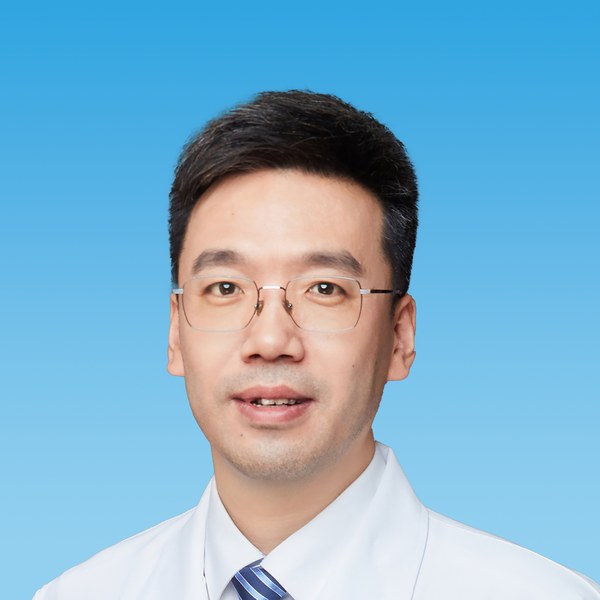
Shaoliang Wang

Shaoliang Wang (王韶亮)

Director, Plastic Surgery & Aesthetics Medical Center · Vice Chief Physician, Associate Professor, Doctor of Medicine

Plastic surgery · second opinions on stubborn pigment

Dr. Shaoliang Wang is Director of the Plastic Surgery & Aesthetics Medical Center at Chongqing West District Hospital, and previously served as Deputy Chief of Plastic and Aesthetic Surgery at Xinqiao Hospital, affiliated with Army Medical University.

His part of this site is the cases that have stopped making sense: melasma that has darkened after every procedure, pigmentation that does not behave like melasma, and patients who have been given three different diagnoses by three different clinics. Those situations need the diagnosis settled before another treatment is booked, and settling it is what he contributes.

Clinical focus

  • Second opinions where the diagnosis of facial pigmentation is uncertain
  • Pigmentation that has worsened after treatment, and the honest limit of further work
  • Complex cases involving several conditions on the same face
  • Tertiary-hospital support when a pigmented lesion needs surgical assessment

Melasma cannot be cured — but it can be managed.

An assessment confirms the diagnosis, identifies your triggers, and sets out what treatment can realistically do and what maintenance will have to look like. We will say plainly that melasma relapses.

Contact the Team